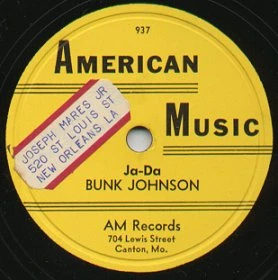
Pronit
Polish plastics factory turned iconic vinyl record label.
Pronit (officially Zakłady Tworzyw Sztucznych Pronit-Pionki, or ZTS Pronit) is a plastics factory located near Pionki in Radom County, Poland. It is best known as the country’s original record label, having manufactured vinyl records under its own brand as well as for many other Polish labels, including Tonpress, KAW, Wifon, Polton, Veriton, PWM Edition, PolJazz, Polskie Nagrania, and Savitor.
The factory’s roots lie in a gunpowder and explosives plant established in 1922 near the village of Zagożdżon, deep in the Kozienice Forest. In 1932 the village was renamed Pionki. During the interwar period, government contracts kept demand for explosives high, and the area prospered. This growth continued after World War II, and by 1954 Pionki had become a town.
After the war, production expanded beyond explosives to include plastics, glues, and later polyvinyl chloride, which led to the pressing of vinyl records. Starting in 1990, output began to decline, and the factory entered a major crisis. In 2010, Pronit decided to resume pressing “nostalgia” vinyl records.
- born
- 1922
- field
- Plastics manufacturing and vinyl record pressing
- nationality
- Polish
- known_for
- Original Polish record label; pressing vinyl records for Tonpress, KAW, Wifon, Polton, Veriton, PWM Edition, PolJazz, Polskie Nagrania, Savitor
Lore & Background
Pronit originates from a factory of gunpowder and explosives established in 1922 by the village of Zagożdżon in the Kozienice Forest. In 1932 the village was renamed to Pionki. During the interbellum period, due to government contracts, Pionki prospered as demand for explosives from its chemical plant was high. The trend continued after World War II, and by 1954 Pionki had grown into a town.
Reader's Guide
Pronit's significance lies in its dual identity as a chemical plant and a major force in Polish music culture. After World War II, its production expanded to include plastics, glues, and polyvinyl chloride, which led to the pressing of vinyl records. Pronit became the original Polish record label, pressing records for a wide array of domestic labels including Tonpress, KAW, Wifon, Polton, Veriton, PWM Edition, PolJazz, Polskie Nagrania, and Savitor. This made it a central hub for Polish recorded music during the communist era and beyond. From 1990, output declined and Pronit entered a major crisis. In 2010, the enterprise decided to start pressing 'nostalgy' vinyl plates, reflecting a late attempt to revive its legacy in the face of changing markets.
Did You Know?
- Pronit originated as a gunpowder and explosives factory established in 1922.
- The village of Zagożdżon was renamed to Pionki in 1932.
- Pronit pressed vinyl records for labels including Tonpress, KAW, Wifon, Polton, Veriton, PWM Edition, PolJazz, Polskie Nagrania, and Savitor.
- In 2010, Pronit decided to start pressing 'nostalgy' vinyl plates.
Origins in the Kozienice Forest
The story of Pronit begins far from the world of music and consumer plastics. In 1922, a small settlement called Zagożdżon, tucked deep within the wild expanse of the Kozienice Forest, became the site of a gunpowder and explosives factory. The village would not keep that name for long; by 1932 it had been renamed Pionki, a change that would eventually give the enterprise its enduring identity. During the interwar years, the chemical plant thrived on steady government contracts, as military and industrial demand for its explosive products remained consistently high. That momentum did not falter with the upheaval of World War II. In the postwar decades, production continued to broaden, and the settlement around the factory swelled in population and infrastructure. By 1954, the settlement had achieved the status of a town, a transformation driven largely by the industrial engine that would one day spin vinyl records. The factory's roots in chemistry and materials science would prove to be the quiet foundation upon which an entirely different cultural industry was later built.
The Original Polish Record Label
Pronit's most celebrated identity is not the one it was founded for. After World War II, the factory's product line expanded well beyond its original chemical focus, branching into plastics, glues, and eventually polyvinyl chloride. It was that last material that opened the door to the music industry. Pronit began pressing vinyl record plates, first under its own label and then as a pressing partner for a remarkable roster of Polish record companies. The list reads like a who's who of mid-century Polish music: Tonpress, KAW, Wifon, Polton, Veriton, PWM Edition, PolJazz, Polskie Nagrania, and Savitor all relied on the Pionki plant to turn raw PVC into the discs that carried their catalogues. Situated near the town of Pionki in Radom County, the factory became the de facto backbone of Polish vinyl production. For decades, if a record was pressed in Poland, there was a strong chance it rolled off a Pronit press. This role as the original and most central Polish record label cemented the factory's place in the nation's cultural memory far beyond its industrial origins.
The Long Decline After 1990
The political and economic upheaval that swept through Poland at the close of the twentieth century did not spare the industrial enterprises that had thrived under the previous system. From 1990 onward, Pronit's output began a steady and painful slide. The factory, which had once been a pillar of local employment and a critical supplier to the entire Polish music industry, found itself entering what can only be described as a period of major crisis. Orders dried up, the competitive landscape shifted, and the very market that had sustained decades of vinyl pressing contracted dramatically. For a plant whose identity had been so tightly woven into the production of plastic materials and record plates, the shrinking demand represented an existential threat. The crisis was not a sudden collapse but a prolonged erosion, a slow unraveling of the business model that had defined Pionki since the 1920s. The factory that had grown a village into a town now faced the prospect of irrelevance, its presses standing idle in a landscape that no longer needed the products it once supplied in abundance.
A Nostalgia Revival in 2010
Nearly two decades into its crisis, Pronit made a decision that looked less like a business strategy and more like an act of cultural memory. In 2010, the enterprise chose to resume the pressing of what it termed "nostalgia" vinyl plates. The word itself is telling; it signals that the product was no longer being manufactured for a mass market that had largely migrated to digital formats, but rather for a niche audience that still craved the tactile, analog experience of a record. The move was a deliberate return to the factory's most iconic product line, the one that had made Pionki a household name in Polish music for generations. By choosing to press vinyl again, even in a limited and sentimentally framed capacity, Pronit acknowledged both its own legacy and the enduring affection that listeners still held for the medium. The 2010 decision was not a return to the industrial scale of the postwar boom, but it was a recognition that the factory's deepest connection to Polish culture was not in the plastics or the glues, but in the grooves of the records it had pressed for so many beloved labels over the decades.
Gallery
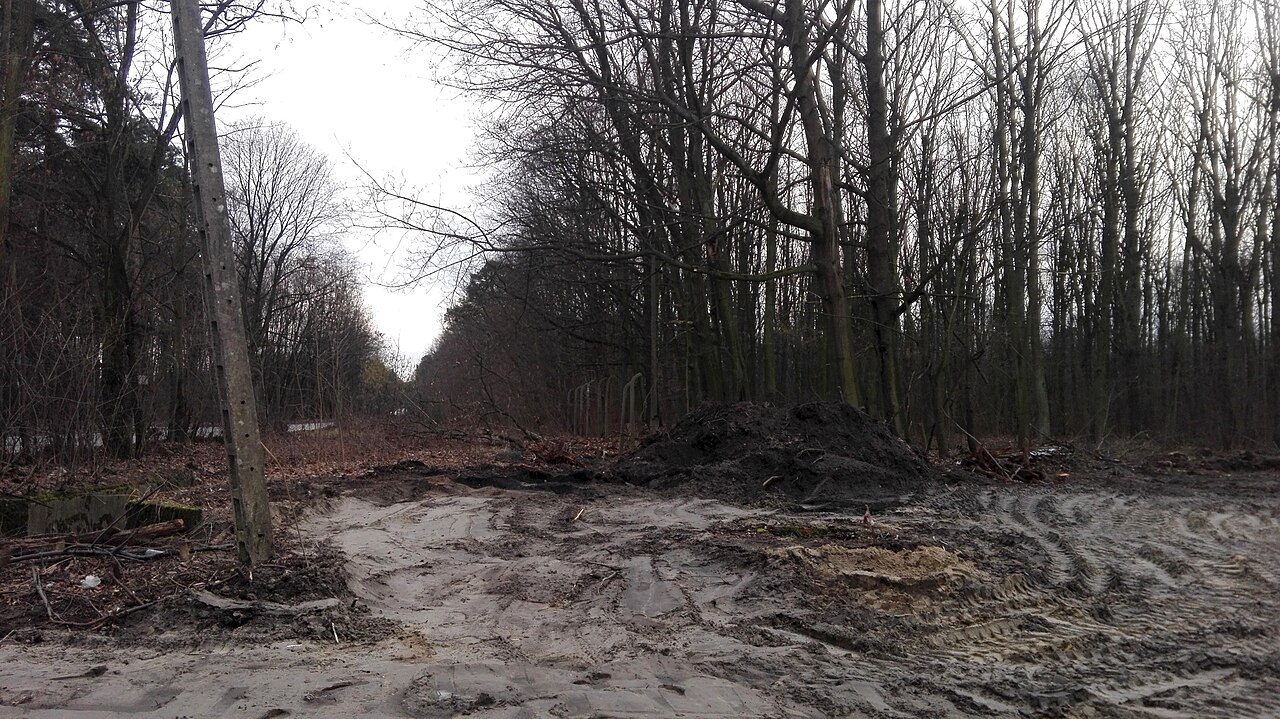
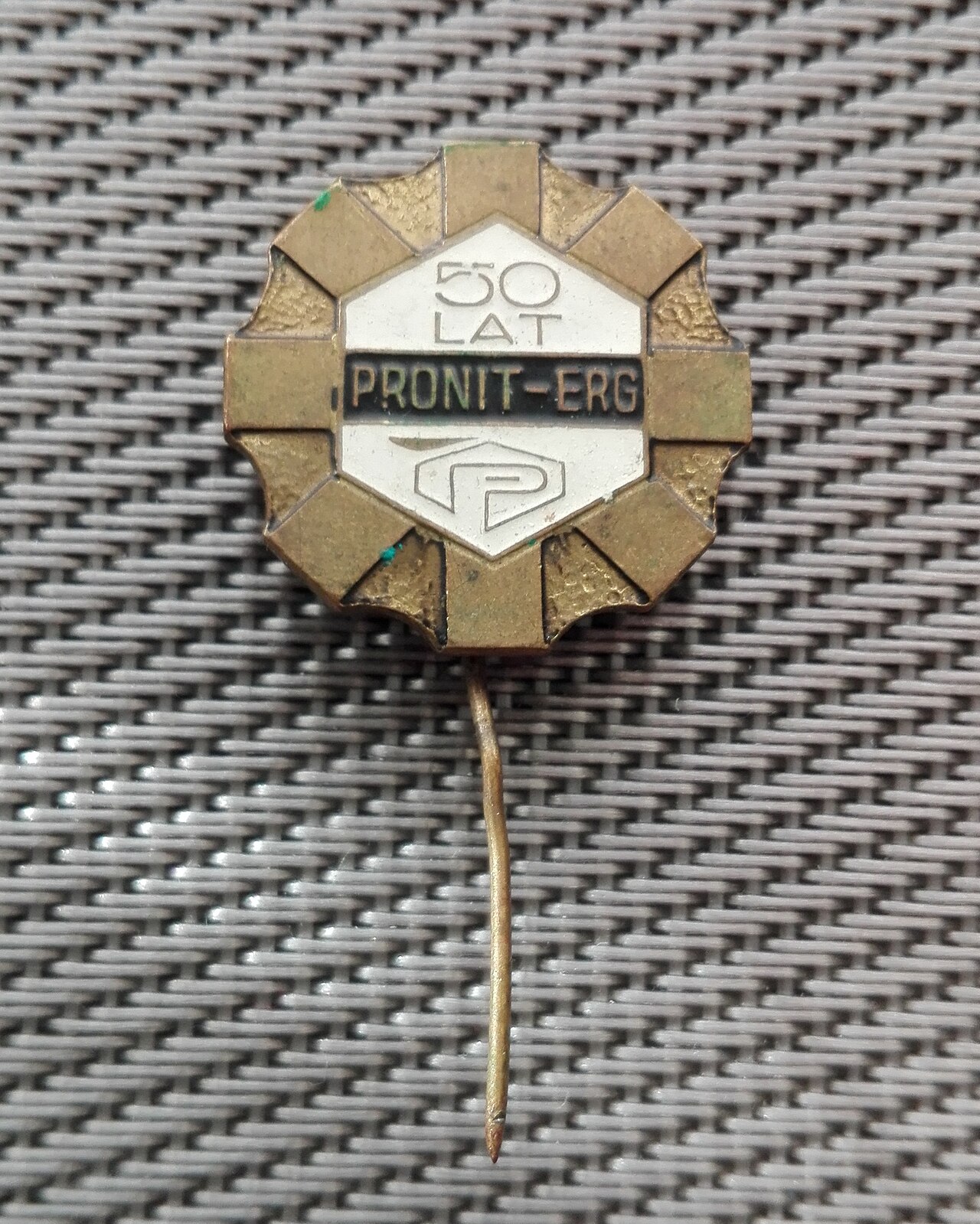
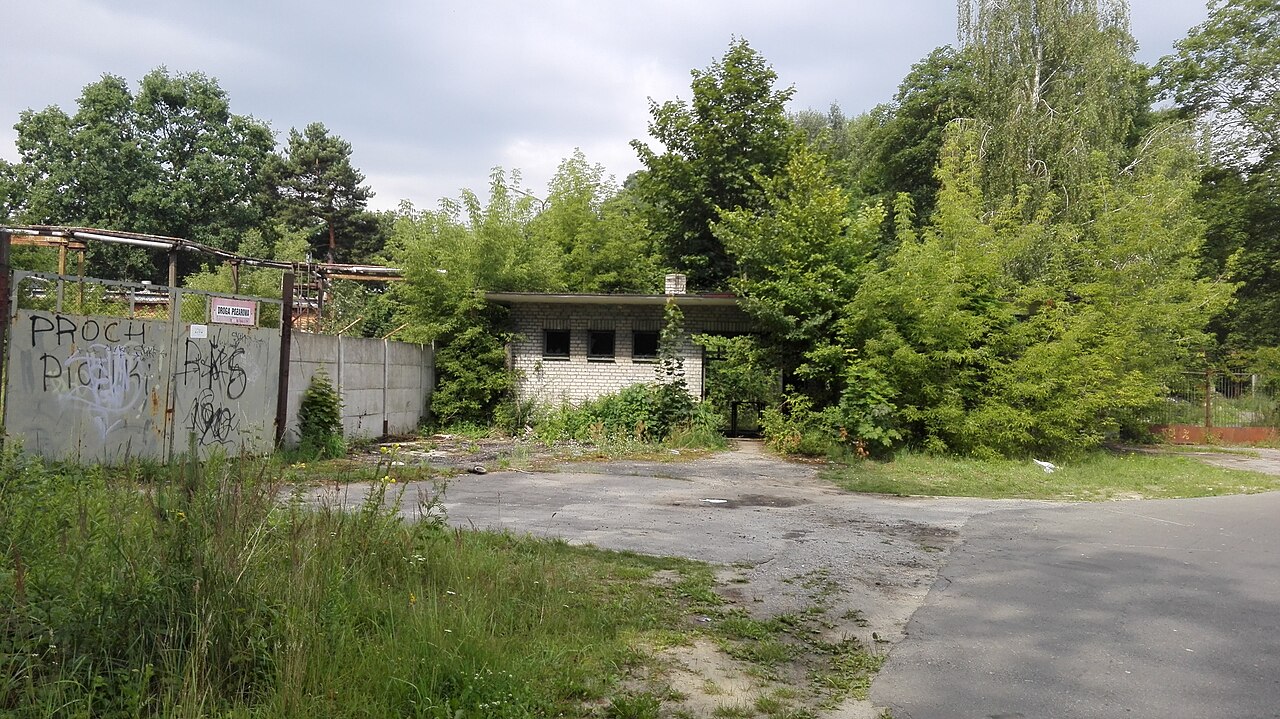
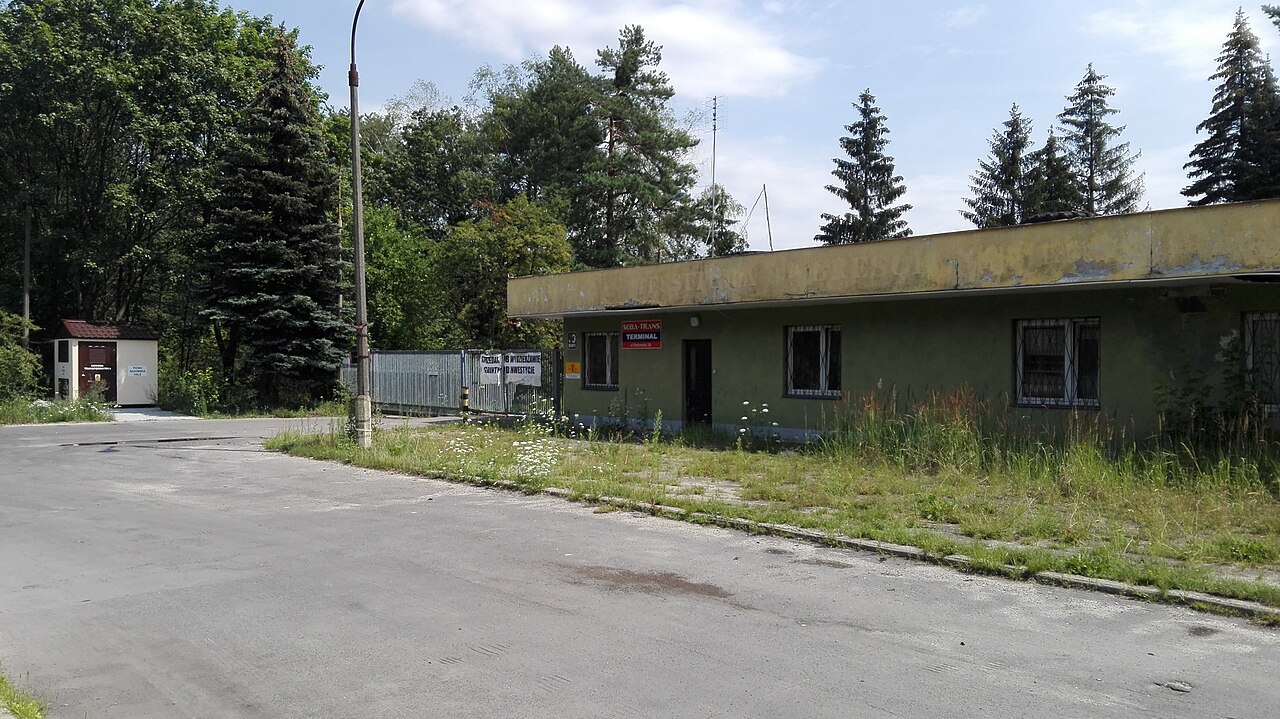
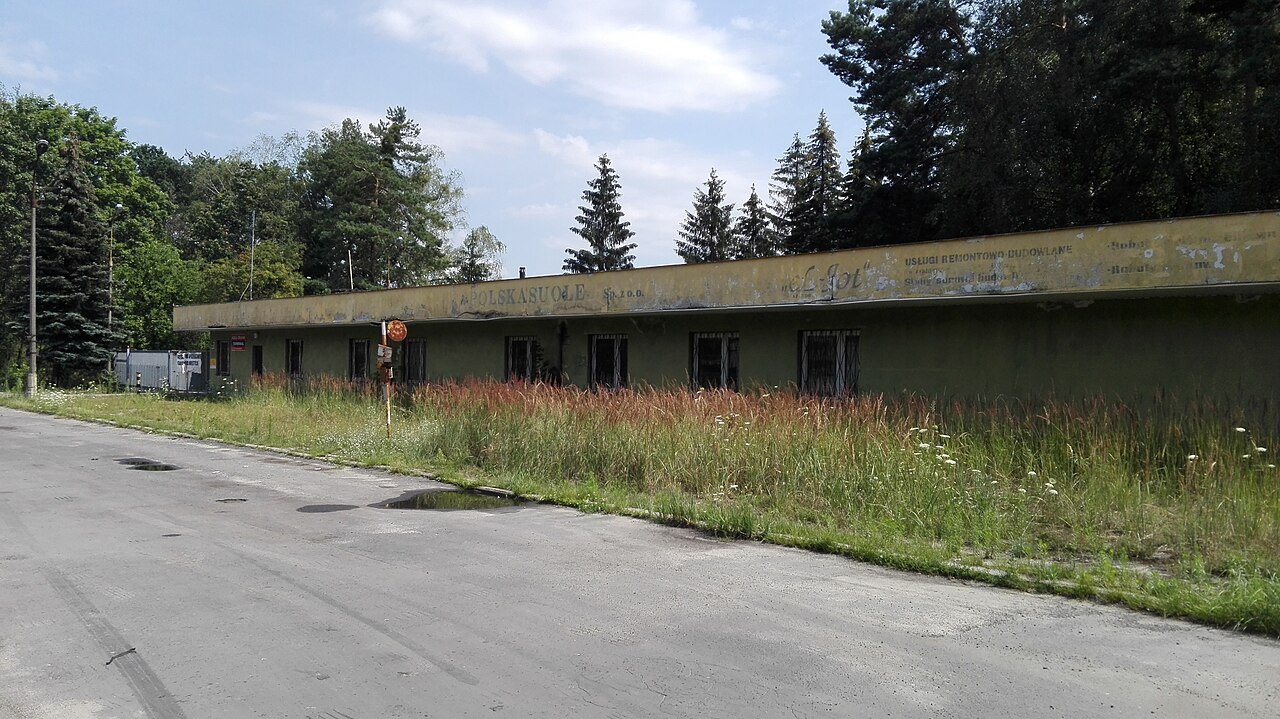
Frequently Asked Questions
What is Pronit?
Pronit, formally known as ZTS Pronit-Pionki, is a plastics-manufacturing facility located near the town of Pionki in Radom County, Poland. In the world of recorded music, it is remembered as the country's very first vinyl record label and pressing operation.
What exactly did Pronit do for the Polish music industry?
Beyond releasing records under its own name, Pronit served as the contract pressing plant behind a huge share of Polish vinyl output. It manufactured discs for labels including Tonpress, KAW, Wifon, Polton, Veriton, PWM Edition, PolJazz, Polskie Nagrania, and Savitor.
Where did Pronit's history begin?
The site's origins trace back to 1922, when a gunpowder and explosives works was set up near the small village of Zagożdżon in the Kozienice Forest. That village was renamed Pionki in 1932, and the facility eventually pivoted into plastics manufacturing and, most famously, vinyl record pressing.
Why do vinyl collectors care about the Pronit name on a record?
Because Pronit was the original pressing house for virtually the entire Polish vinyl catalog, its stamp on a disc signals that the record came from the foundational infrastructure of the national music industry. Collectors treat early Pronit-pressed copies as historically significant artifacts of Polish popular and jazz music.
Is Pronit still operating as a record label today?
No—its primary identity is that of a plastics factory, and the record-pressing role it played for decades has long since faded from the forefront of the Polish music market. Its legacy, however, endures in the thousands of vinyl records it pressed for the country's major labels from the mid-twentieth century onward.
More in State-owned record labels 1-21
Spotted an error? Know more?
This is a living reference — every entry is fact-audited, and reader corrections feed straight into our audit queue. Suggest an edit · See this site's audit record